


Women’s Windbreaker Jackets FAQs
Explore frequently asked questions about P.E Nation women’s jackets. Discover lightweight active jackets, insulated outerwear and versatile layers designed for training, travel and everyday athleisure.
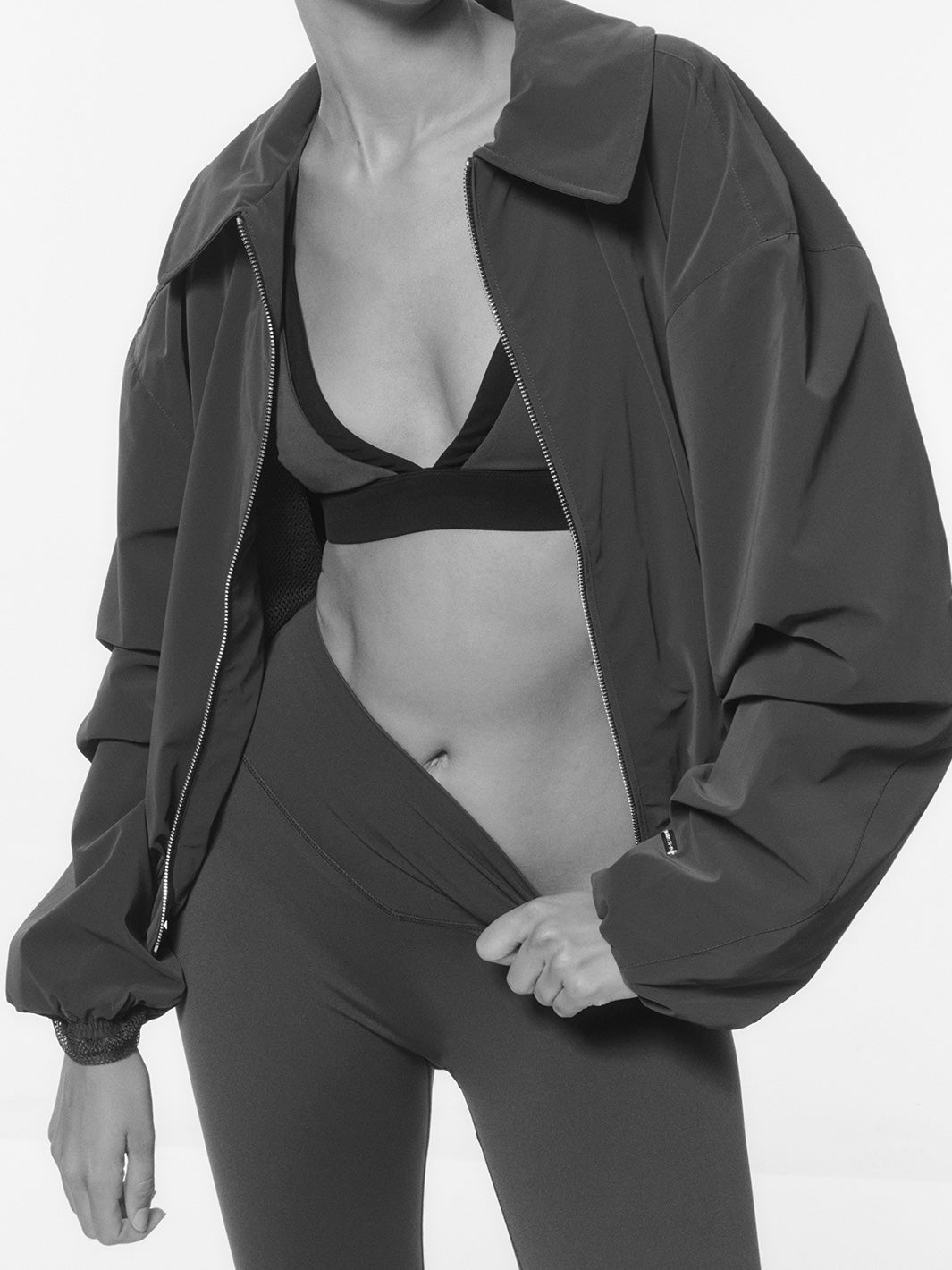
A windbreaker jacket is a lightweight outer layer designed to protect against wind while remaining breathable and easy to pack. P.E Nation women's windbreaker jackets are built for running, training and everyday layering, combining technical performance fabrics with elevated athleisure styling.
P.E Nation windbreaker jackets are designed to provide wind resistance and, across selected styles, water-resistant protection for light rain and changing conditions. Performance features vary by style, so refer to the individual product page for specific fabrication and technical details.
A windbreaker jacket is ideal for running, outdoor training, walking, commuting and transeasonal layering. Lightweight and breathable, it provides protection from wind without the bulk of insulated outerwear, making it a versatile choice for active and everyday wear.
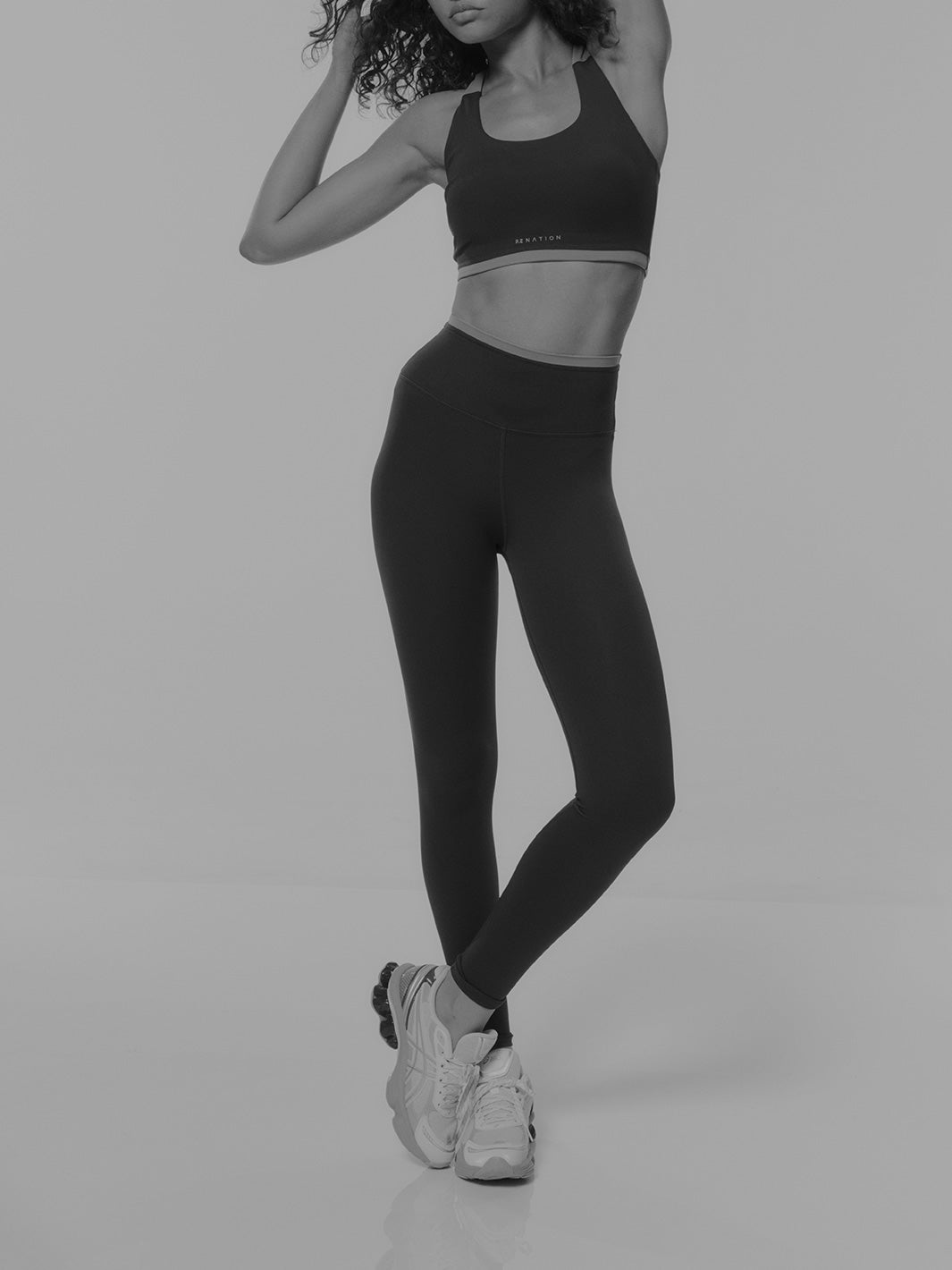
Pair a women's windbreaker jacket with leggings or bike shorts and a matching sports bra for a clean gym-to-street look. For cooler weather, layer over a hoodie or sweat with relaxed track pants. Oversized silhouettes also work effortlessly with everyday athleisure outfits and travel wardrobes.
A windbreaker jacket is designed to block wind rather than provide heavy insulation. During winter, it's best worn over base layers, hoodies or lightweight knitwear to create a versatile layering system that adapts to changing temperatures.


